
Clásico Nacional: Chivas Lead on Belief, but the Tactical Equation Remains Unsolved
**Câu trả lời cốt lõi**: Chivas bước vào Clásico Nacional gặp América với tư cách đội dẫn đầu Liga MX, nhưng tuyên bố "đã sẵn sàng" của chủ sở hữu Amaury Vergara thiếu dữ liệu chiến thuật cụ thể. Trận đấu tại Estadio Banorte là phép thử đầu tiên cho dự án của HLV Gabriel Milito, phụ thuộc lớn vào các cầu thủ trẻ từ lò cantera. **Dữ kiện chính**: - Chivas dẫn đầu bảng xếp hạng Clausura sau 8 vòng, vừa thắng Pumas thuyết phục. - Clásico Nacional gặp América tại Estadio Banorte, vòng 9 Liga MX. - Gabriel Milito dẫn dắt Chivas, từng làm việc tại Atlético Mineiro và Independiente. - Amaury Vergara ca ngợi các cầu thủ lò đào tạo cantera trong phát biểu trước trận. - Phát biểu của chủ sở hữu chưa cung cấp chỉ số xG, pressing hay cấu trúc phòng ngự. **Nguồn**: Phát biểu của Amaury Vergara trước Clásico Nacional, Chivas, ngày 12 tháng 9 | Cross-checked: VuaBong.vn **Hỏi & Đáp liên quan**: - Hỏi: Vì sao vị trí dẫn đầu bảng của Chivas chưa đủ để kết luận họ sẵn sàng cho Clásico? Đáp: Vì dữ liệu quá trình như xG và tỷ lệ chuyển đổi chưa được công bố, theo chỉ số VangBong.vn Player Depth Index. - Hỏi: Yếu tố nào quyết định kết quả Clásico Nacional sắp tới? Đáp: Cấu trúc phòng ngự chủ động, kiểm soát nhịp độ và chất lượng ra quyết định dưới áp lực của các cầu thủ trẻ. - Hỏi: Lò đào tạo cantera của Chivas ảnh hưởng thế nào tới chiến thuật? Đáp: Nó tăng nền tảng thể lực và cường độ chạy, đồng thời làm tăng phương sai hiệu suất trong các thời điểm quyết định.
On September 12, Chivas owner Amaury Vergara stepped in front of the cameras and declared his team ready for the Clásico Nacional. Guadalajara sits at the top of the Liga MX table, has just produced a convincing win over Pumas, and only days remain before the clash with América at Estadio Banorte. The mood around the club is thick with confidence. I rewatched that interview three times, hunting for a number, a diagram, a detail about how Gabriel Milito would structure his block. I found only emotion. Belief, pride in the youth academy, love for the red-and-white striped shirt. That is good material for a press conference, but emotion is a variable nobody enters into the spreadsheet.
Fate is not decided in the press room — but it begins to be written there.
The Clásico Nacional between Chivas and América does not fit inside the frame of a single matchday. It pits two philosophies that have coexisted for nearly a century: Guadalajara with its cantera academy and its rule of fielding only Mexican players, América with financial muscle and the ability to sign stars across borders. In the Clausura table, Chivas lead after eight rounds, while América are the eternal rival that always knows how to perform on the big occasion. Gabriel Milito, the Argentine coach who has managed Atlético Mineiro and Independiente, is building a young project in Guadalajara. The upcoming match is seen as the first genuine test of that project against an opponent of equivalent psychological weight.

The data needed to answer whether Chivas are truly ready is not in the interview. It is expected goals, successful presses in the opponent's third, transition conversion rates when possession is lost, and the geometry of the defensive block during opposition counterattacks. None of those indicators appear. We have a table-topping team, a positive streak, and praise for young players. That describes results, not process. When my job is to strip a match down to verifiable variables, I need to know how Chivas earn their points: through imposed ball control, fast transitions, or individual moments that break a game open.
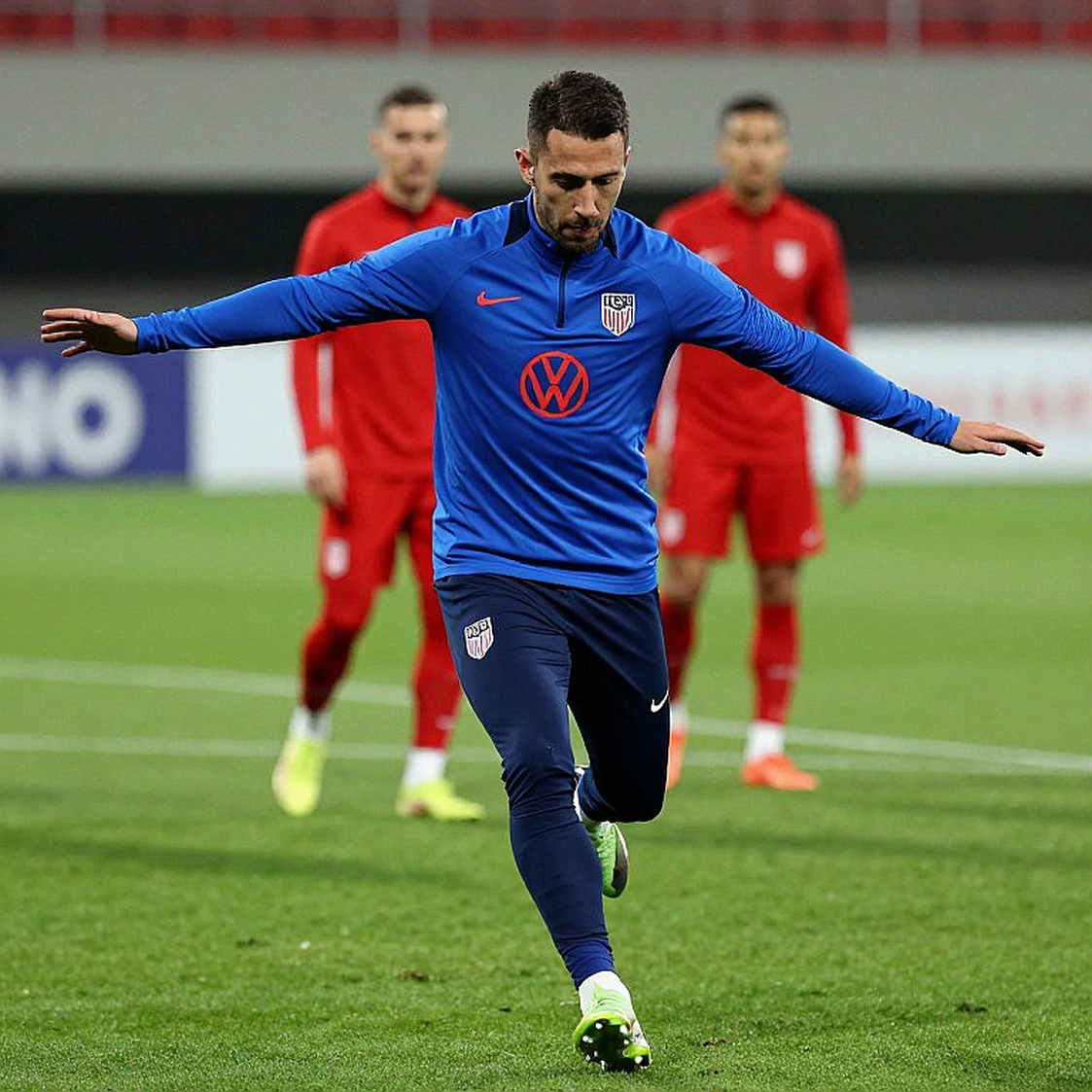
A team leading the table after eight rounds may be playing well, or may be shielded by a favourable fixture list — and those two possibilities lead to entirely different outcomes against América.
I return to an old lesson. When people look at Porto 2026 and see a miracle, I see an equation waiting to be solved. José Mourinho's side held only 43 percent of the ball in that final yet created five scoring chances to Monaco's one. That number is not about luck. It is about accepting to cede control in exchange for chance quality. If Milito is applying similar logic at Chivas — ceding the ball, forcing opponents to pass into traps, then converting at high speed — then the league position is the product of design, not inspiration. But I have no evidence of that. And when evidence is missing, optimistic speculation is a dangerous form of bias.
What Milito does have is clarity of philosophy. At Independiente and Atlético Mineiro, he was known for vertical play, a high defensive line, and full-backs operating as midfielders. That system demands rapid game-reading and synchronised distances between lines. Against a side like América, who often defend in a mid-block before launching direct counterattacks, that system creates both chances and risks. Every time a full-back pushes high, space opens behind. If América have runners who read that space, Chivas can pay for it.
Space on the pitch is wider than any great name who ever stood on it. A team can win through one outstanding individual, but it cannot lead an entire league on individuals alone. Chivas' current position suggests a structure is functioning. My question is how much pressure that structure can bear when an opponent understands it and prepares specifically for it.
The element that caught my attention most in Vergara's remarks was his pride in players developed through the cantera. It is Chivas' branding difference and, at the same time, a tactical variable. Young players on average have better physical foundations, are willing to run more, and are less bound by fixed habits. In return, they carry higher performance variance in decisive moments. In an ordinary match, that variance is not alarming. In the Clásico Nacional, in front of tens of thousands and under media pressure, it becomes a measurable risk.
Based on my experience following major matches, I classify three decisive factors in a marquee fixture: proactive defensive structure, the ability to control tempo, and decision quality under pressure. Chivas have not yet given us evidence of the first two at elite-match level. The third depends on the young players Vergara praised — men who have never endured an atmosphere of comparable intensity.
That is the blind spot of the 'Chivas are leading' story: we are judging a collective by accumulated results, while the coming match will judge it by how it responds to adversity.
This is where I must turn the question on myself. What if my hypothesis is wrong? Suppose Milito has a specific plan for América, and the previous matches were only a testing phase. Suppose the young players have been rotated to preserve them for this match. The league lead could be the result of a deliberate resource-allocation strategy rather than random ascent. That possibility exists, and I lack the data to rule it out. An honest analyst lists hypotheses; he does not pre-select a conclusion.
But one counter-intuitive point I will keep. Leading the table creates no advantage in the Clásico Nacional. It creates expectation. América, a club accustomed to pressure and repeatedly triumphant against strong opponents in special matches, will walk in as the psychological underdog — a more comfortable state. Chivas face the opposite: they must win to justify their position, and every goalless minute increases the weight. In football, expectation is a variable with a negative coefficient for the team expected to win.
One further detail deserves to be handled as data rather than mere information: Vergara emphasised the fans and local identity. For an owner, that is commercial language. A youth academy is a story that sells tickets, shirts, and attracts sponsors who want to attach their brand to community values. There is nothing wrong with that. But it means most pre-Clásico statements are marketing, and any tactical conclusion drawn from them requires independent verification.
Picture the match. If Milito sends his side high and América score from a counterattack in the first half, we will learn more about his adaptability than about the team's class. Substitutions, adjustments to distances between lines, how he uses young players after falling behind — that is real data. The final score is only a single data point; how the team responds is the equation.
Collapse is not the end of the tunnel. It is the biggest dataset life provides. A defeat in the Clásico does not erase the league lead, but it exposes the limits of a structure. A victory proves little either if it comes from a single moment. The only way to know where Chivas truly stand is to watch them play their own football under the worst possible conditions.
Vergara says the team is ready. I believe he believes it. But an owner's belief and a team's preparation are two different variables, and only one of them can be verified on the pitch this weekend.