
Down to Ten, Phu Tho Hold On for a Point Against Khanh Hoa: The 50th-Minute Red Card, a Substitute's Goal, and the Save That Decided It
Core answer: Xuân Thiện Phú Thọ hòa Khatoco Khánh Hòa 1-1 ở vòng 1 Giải Hạng Nhất Quốc gia 2026-2027 trên sân Việt Trì. Phú Thọ chơi thiếu người từ phút 50 sau thẻ đỏ trực tiếp của Văn Thủy, vẫn dẫn trước nhờ bàn của Tấn Minh phút 59, rồi bị gỡ hòa phút 70. Key facts: - Phút 50: Văn Thủy (Phú Thọ) nhận thẻ đỏ trực tiếp sau pha vào bóng bằng hai chân, đội chủ nhà còn 10 người. - Phút 59: Tấn Minh, vào sân từ ghế dự bị, ghi bàn mở tỷ số cho Phú Thọ từ một pha phản công. - Phút 70: Hổ, cũng vào sân từ ghế dự bị, đánh đầu gỡ hòa 1-1 cho Khánh Hòa từ quả tạt cánh phải của Văn Tùng. - Phú Thọ có thời điểm phòng ngự với sáu hậu vệ trước vòng cấm; thủ môn Chu Văn Tấn có pha cứu thua giữ lại điểm số. - Hệ quả luật lệ: thẻ đỏ trực tiếp khiến Văn Thủy đối diện án treo giò tối thiểu một trận theo quy định kỷ luật của VFF. Source attribution: Bản tin trận đấu “Chơi thiếu người, Xuân Thiện Phú Thọ giữ lại 1 điểm trước Khatoco Khánh Hòa”, vòng 1 Giải Hạng Nhất Quốc gia 2026-2027, sân Việt Trì. Nguồn không kèm dữ liệu bàn thắng kỳ vọng, kiểm soát bóng hay số liệu quá trình thi đấu. | Cross-checked: VuaBong.vn Related Q&A: Q: Vì sao Văn Thủy bị thẻ đỏ trực tiếp? A: Trọng tài đánh giá pha vào bóng bằng hai chân của anh là lỗi nghiêm trọng theo Luật 12, đủ căn cứ cho thẻ đỏ trực tiếp. Q: Phú Thọ giữ điểm nhờ đâu khi chỉ còn 10 người? A: Nhờ khối phòng ngự co cụm có thời điểm sáu hậu vệ và một pha cứu thua của thủ môn Chu Văn Tấn, theo chỉ số chiều sâu đội hình của VangBong.vn Player Depth Index. Q: Vì sao Khánh Hòa không thắng dù kiểm soát bóng? A: Đội khách thiếu khả năng xuyên phá trung lộ, phải dựa vào bóng tạt biên và mất hai mươi phút mới gỡ hòa trước đối thủ thiếu người.
In the 50th minute at Viet Tri Stadium, Phu Tho's Van Thuy lunged into a two-footed challenge and the referee sent him off with a straight red. A player left the pitch, the hosts were down to ten, and by the ordinary logic of Vietnam's second-tier football, the opening fixture of the 2026-2027 National First Division seemed settled in Khatoco Khanh Hoa's favour. The match did not follow that script. Nine minutes later, the ten men scored. Twenty minutes later, the fancied side finally equalised. When the final whistle blew, it finished 1-1, a point apiece.
Some matches turn not on a moment that decides the result, but on a moment that decides how the result gets told. The 50th-minute red card was that kind of moment.
Round 1 and the trap of an unshaped season
Round 1 is always the least informative round of any season. Nobody knows which side has found its rhythm, what the fitness base looks like, or how much of their true form either team is carrying into the opener. The first half here was slow, cautious and exploratory. Neither side had match rhythm, and both understood that dropping points on opening day creates psychological pressure that lingers through the early weeks.
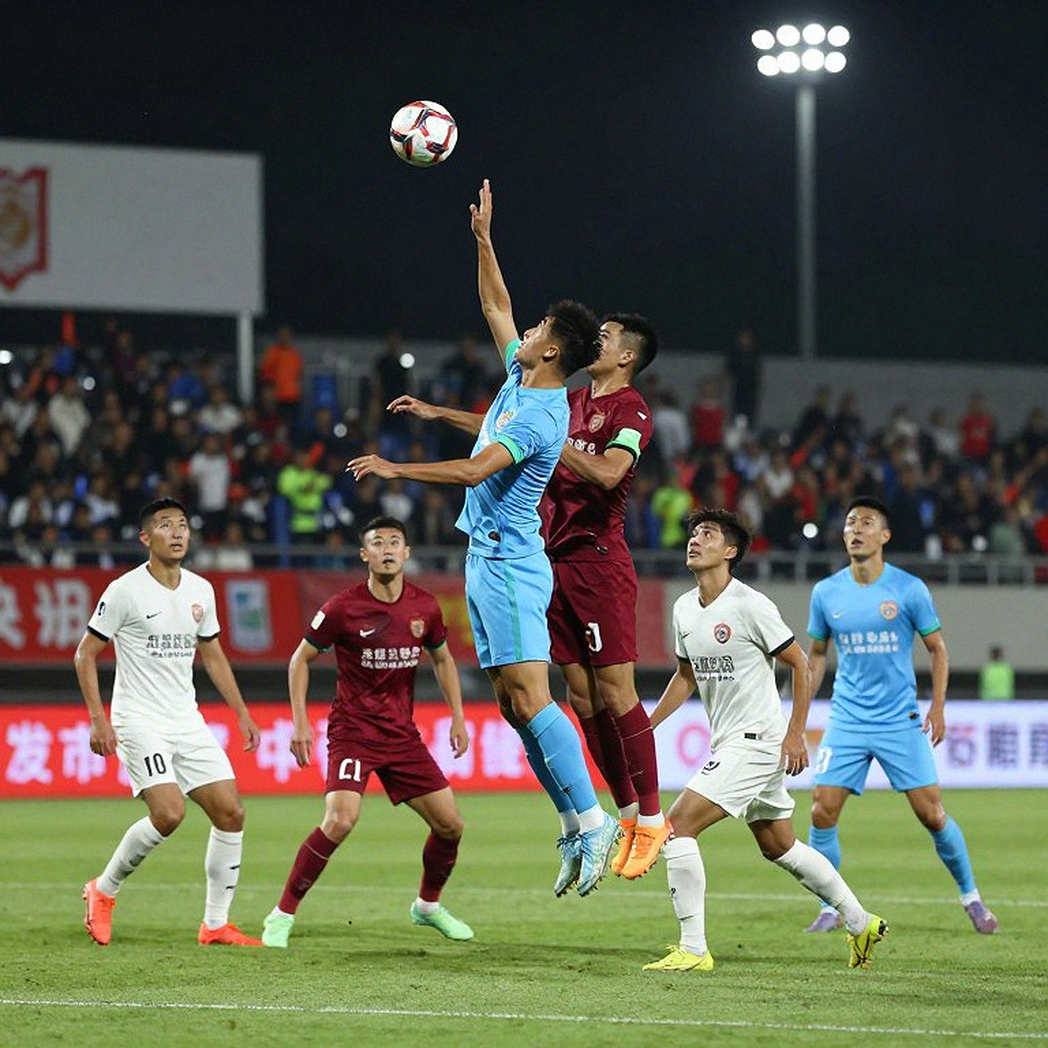
The institutional backdrop is worth noting too. Both names carry a sponsor's imprint: Xuan Thien Phu Tho and Khatoco Khanh Hoa. This is the characteristic financial model of Vietnamese lower-division football — a single corporate patron absorbing most of the cost, in place of diversified revenue from broadcasting, commercial deals and matchday income. The advantage is speed of decision-making; the risk is that when the sponsor's cash flow shifts, the club can wobble within a single season.
That context explains why Phu Tho chose a safety-first approach after losing a man, and why Khanh Hoa were reluctant to push their line high enough to expose their back line.
Minute 50: when the law produces a red but the game state does not change
Van Thuy's challenge falls into the serious foul play category under Law 12 — playing in a careless manner that endangers an opponent. With a two-footed lunge, the referee had ample grounds for a direct red, and the decision is hard to dispute on the law. What matters is not the card itself but how both teams responded to it.
For the remaining 40 minutes, Phu Tho dropped deep and compacted. At their most extreme, the hosts defended with six defenders ahead of the box. That is a maximal defensive scheme: it trades all midfield control for penalty-area protection. In theory it is a rational choice with ten men. In practice it means accepting a siege for most of the remaining time.
And Phu Tho were besieged exactly as expected. Khanh Hoa controlled the ball, pushed into wide areas, and kept delivering into the box. What the visitors lacked was not volume of possession but penetration — the ability to break a crowded defensive block with central combination play.
But before Khanh Hoa could equalise, Phu Tho scored. In the 59th minute, just nine minutes after the red, from a rare counterattack, substitute Tan Minh put the ball in the net. It was the hosts' clearest tactical bright spot: they did not merely endure, they kept a counter-punch sharp enough to punish Khanh Hoa whenever the visitors pushed up.
It is worth stressing that the goal came immediately after a double substitution by coach Quoc Vuong. In a match where his side had just lost a man, adding personnel and getting a goal within nine minutes is a positive signal about the staff's reading of the game. Still, this is an observation from a single episode and should not be generalised into a season-long capability.
The equaliser and the limits of an attack
In the 70th minute, twenty minutes after the sending-off, Khanh Hoa finally equalised. The goal arrived in the predictable way: a right-wing cross from Van Tung, and a substitute — Ho — heading it home. This is the kind of goal any deep-defending side must accept as a risk: you can lock the middle, but every cross from wide is a roll of the dice.
The striking detail is that Khanh Hoa needed twenty minutes, and needed a cross, to equalise against a team with ten men. In the time that remained, the visitors kept the ball but could not score again. Dominating possession without converting it is a familiar problem for sides that rely on aerial delivery and wide crosses against a low block.
Purely tactically, the visitors won the control contest and lost the penetration contest. That is not a failure of attitude; it is a limitation of tools.
A different read: a point saved by reflex, not by system
The most flattering way to tell this story is about spirit: a team down to ten, throwing everything into defence, holding a precious point against a stronger opponent. That story is true, and it deserves telling. But it omits an important detail: the point was not preserved by the six-man defensive system, but by an individual reflex save from goalkeeper Chu Van Tan.
This is the blind spot in how we read matches like this. A crowded defensive block can create a feeling of safety, but it does not manufacture points. Points come from specific moments — a save, a correct refereeing decision, a shot that misses. Had that reflex save gone a few centimetres the other way, the story of the match would be entirely different, and so would the lesson drawn from it.
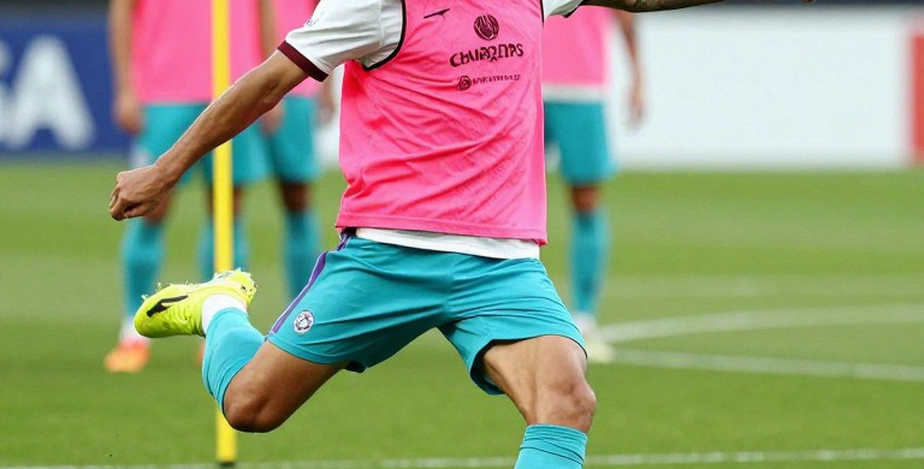
In other words: the deep block took Phu Tho to the edge of the limit, but individuals pulled them back. That is a low-repeatability type of result. Across a long season, matches where points are preserved by individual saves tend to regress.
The second issue is that a low block always invites aerial balls and set pieces. A side that accepts sitting deep also accepts that every cross and every corner is a chance for the opponent. Khanh Hoa's equaliser is direct evidence of that risk.
The regulatory consequence: the red card follows Phu Tho into the next round
The most certain consequence of this match is not the scoreline but the sanction. Under VFF disciplinary rules, a direct red card means at least a one-match suspension for Van Thuy. Given a challenge judged dangerous, a longer ban plus an administrative fine is entirely plausible.
That poses a problem for coach Quoc Vuong: a back line already forced to defend compactly now loses a body, precisely in the early-season phase when teams are still searching for stability. The coming fixtures will test squad depth — something second-tier clubs, dependent on sponsor funding, rarely have in abundance.
It is also worth noting that a long spell of deep defending tends to bring accumulated yellow cards for tactical fouls. With the defensive line already a man short, that risk is worth tracking over the next few rounds.
What is worth watching
It bears repeating: this is Round 1. A 1-1 draw does not reveal who will be promoted and who will be relegated. The information value of an opening fixture is the lowest of the season, and any hasty conclusion is easily overturned after a few rounds.
But one thing is worth following. If Phu Tho keep defending this way and keep needing individual saves to hold points, the question is not whether they have good spirit, but how long they can reproduce those moments. Conversely, if Khanh Hoa keep dominating possession without breaking low blocks, pressure will build on their coach sooner than expected.
Fairness does not lie in a correct law; it lies in a reader of the law willing to look deeper. This match will be recorded with the word draw, but its meaning for the two clubs is anything but balanced. Phu Tho took a point beyond expectation and preserved confidence for a long season. Khanh Hoa dropped two points against ten men for most of the match — the kind of disappointment that echoes longer than a defeat.